March 18, 2026
Operating heavy machinery requires a deep understanding of physics, engineering, and, perhaps most importantly, the environment. When it comes to crane operations, the weather is not just a backdrop for the workday; it is a primary factor that dictates whether a lift can proceed or must be delayed for the sake of everyone on site. Wind, rain, and freezing temperatures each present unique challenges that can compromise the stability of a crane and the safety of the crew.
The Physics of Wind and Sail Area
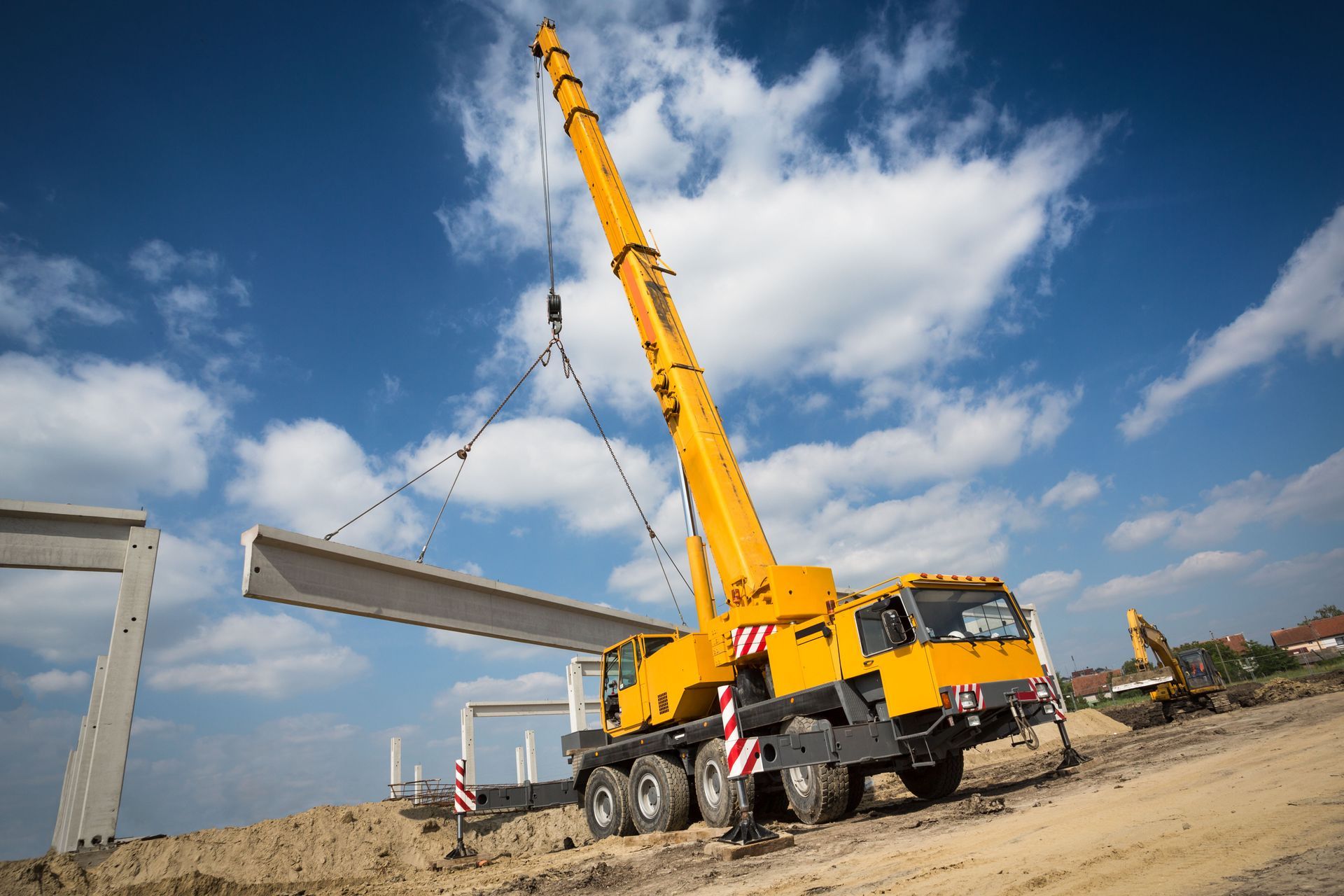
Wind is perhaps the most visible threat to crane stability. When a gust hits a crane, it creates a side load that the machine was not necessarily designed to handle at full capacity. This effect is amplified by the sail area of the load itself. A large, flat object like a glass panel or a shipping container acts like a sail, catching the wind and pulling the crane arm out of its intended alignment. This is why professional local crane services monitor wind speeds with high-precision anemometers. If the wind exceeds specific thresholds, the risk of the crane tipping or the load swinging uncontrollably becomes too high.
The Danger of Sudden Wind Gusts
While steady winds are predictable, sudden gusts pose a more significant threat because they offer no warning. A sudden increase in wind speed can cause a load to shift violently, putting immense stress on the rigging and the boom. This unpredictable movement can lead to structural failure or a loss of balance. Experienced local crane services emphasize the importance of having a clear communication plan and an emergency stop procedure in place for such events. Operators must be prepared to react instantly to keep the load stable and prevent it from colliding with nearby structures. Without the steady hand of a seasoned professional, these sudden environmental shifts could lead to catastrophic site accidents.
The Effects of Rain on Ground Stability
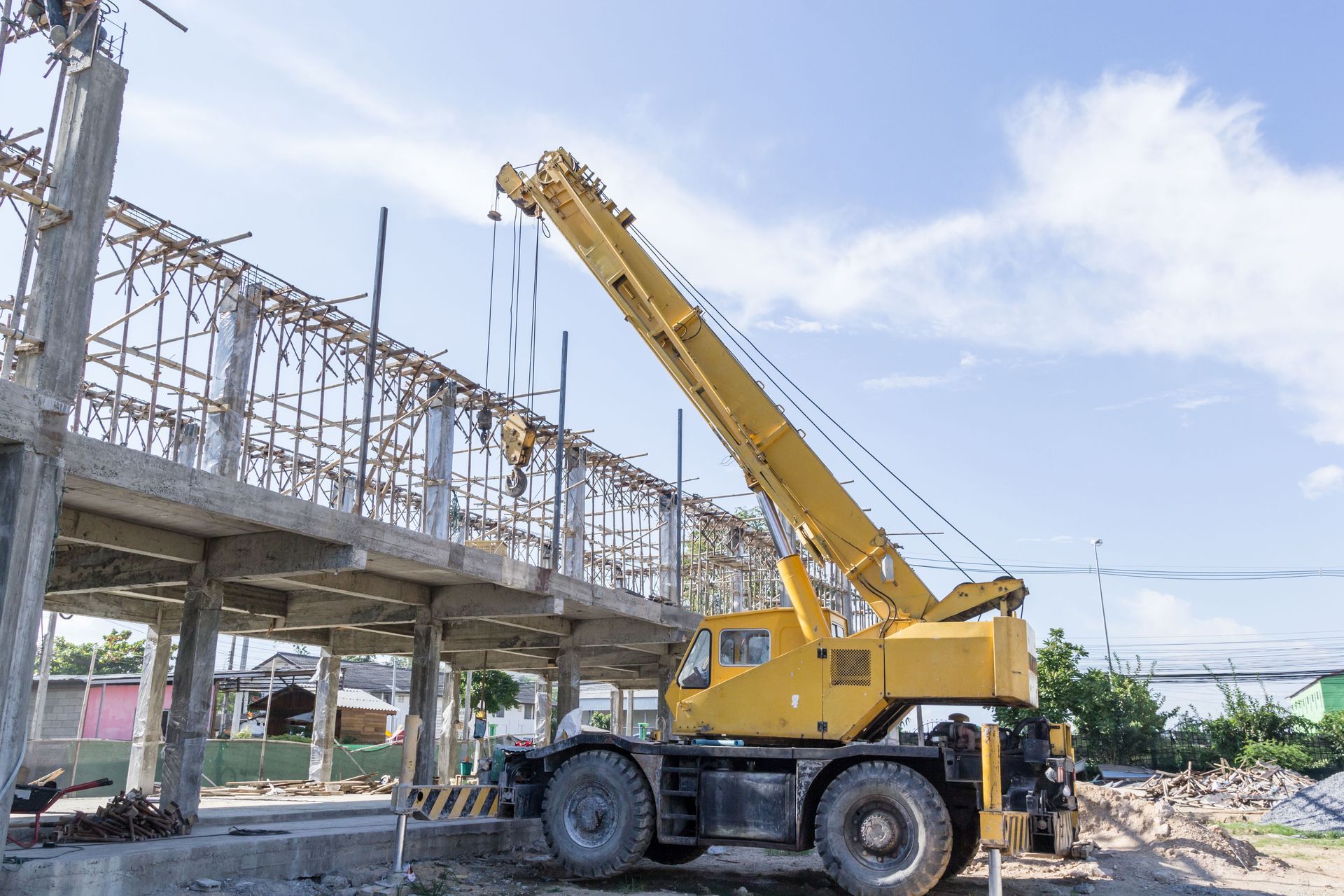
Rain might seem like a minor inconvenience, but its impact on the ground beneath a crane is profound. Most cranes rely on outriggers to distribute their massive weight and provide a stable base. When heavy rain saturates the soil, the ground can become soft and lose its load-bearing capacity. This can cause one side of the crane to sink, leading to an unlevel machine and a potential tip-over. Reliable local crane services conduct thorough site assessments to ensure the ground remains firm. They often use large mats or cribbing to spread the weight over a larger area, but even these measures have limits if the rain is persistent enough to turn a solid work site into a muddy hazard.
The Reduced Visibility and Operational Risks for Operators
Heavy rain and fog significantly reduce visibility for both the crane operator and the signal person on the ground. When the operator cannot clearly see the load or the path it needs to take, the risk of hitting an obstruction increases exponentially. Even with high-tech cameras and sensors, the human eye remains the primary tool for safe maneuvering. In these conditions, local crane services may choose to pause operations until the weather clears. Safety is always the priority, and proceeding when the lines of sight are blurred is never a responsible choice. Clear communication via radio becomes even more vital, but even the best audio cues cannot fully replace a clear view of the job site.
The Risk of Slippery Surfaces and Rigging Hazards
Rain makes every surface on a job site slick, from the ladder the operator climbs to the rigging equipment itself. Wet slings and chains can be harder to handle and may slip if not secured perfectly. Additionally, moisture can affect the friction required for certain types of grips on the load. Professional local crane services take extra care during wet weather to inspect all rigging gear for signs of wear that might be exacerbated by moisture. They also ensure that the crew has the proper footwear and gloves to maintain a secure grip while working.
The Impact of Cold on Hydraulic Systems
Cold weather introduces a different set of technical challenges, particularly regarding the crane’s hydraulic systems. Hydraulic fluid thickens as temperatures drop, which can slow down the responsiveness of the crane’s movements. If an operator is used to the quick reactions of the machine in summer, the sluggishness of a cold system can lead to over-correction or mistimed maneuvers. Local crane services often perform extended warm-up procedures during the winter months to get the fluid to an optimal operating temperature.
The Dangers of Metal Embrittlement In Freezing Temperatures
One of the most hidden dangers of extreme cold is metal embrittlement. In very low temperatures, the carbon steel used in many crane components can become more brittle and prone to cracking under stress. This is a critical safety concern because a boom or a hook that is rated for a certain weight in normal conditions might fail at that same weight in sub-zero temperatures. High-quality local crane services are well aware of these metallurgical properties and adjust their load charts accordingly. They may reduce the maximum lifting capacity of the crane during cold snaps to provide a wider margin of safety, ensuring that the structural integrity of the machine is never pushed to its breaking point.
The Hazards of Ice Accumulation on the Boom and Load
Ice is a major hazard because it adds weight and changes the aerodynamics of the crane. A layer of ice on the boom can add hundreds of pounds of "dead weight" that isn't accounted for in standard load calculations. Furthermore, ice on the load can make it incredibly dangerous to rig and move. If a piece of ice falls from a high altitude, it becomes a dangerous projectile for workers below. Professional local crane services will often take the time to de-ice the equipment before starting a shift.
The Human Factor In Harsh Weather
Weather doesn't just affect the machines; it affects the people operating them. Cold, wind, and rain lead to fatigue, reduced dexterity, and diminished focus. A shivering signal person is more likely to make a mistake than one who is warm and comfortable. Responsible local crane services provide their teams with the necessary gear and breaks to stay sharp on the job. When the crew is physically taxed by the environment, the risk of human error increases. By prioritizing the well-being of the staff, these companies ensure that the mental clarity required for complex lifts is maintained throughout the day, regardless of the thermometer reading.
The Benefits of Planning Ahead With Professional Insights
The key to managing weather-related risks is proactive planning. This involves more than just checking a smartphone app; it requires a deep understanding of local weather patterns and site-specific topography. According to Global Market Insights, the crane rental market is expected to grow from $19.8 billion in 2025 to $43.1 billion in 2034, at a compound annual growth rate (CAGR) of 9%, highlighting the importance of understanding the risks of local crane services and weather. Weather pattern knowledge is invaluable because understanding how wind tunnels form between city buildings or how certain soils in the area react to heavy rain allows for safer operation. By consulting with experts early in the project, you can build a schedule that accounts for potential weather delays. This level of preparation prevents the pressure to work in unsafe conditions, as the timeline already has "weather days" built into it.
Navigating the complexities of weather is an inescapable part of the lifting industry. Wind, rain, and cold each demand respect and specific technical adjustments to ensure that crane stability is never compromised. Choosing local crane services provides the expertise needed to judge when it is safe to lift and when it is wiser to wait. Ultimately, a successful project is one where safety is never sacrificed for speed. If you need a reliable partner for your next heavy lift, reach out to Prime Crane Service for expert assistance and reliable equipment.