January 20, 2026
Cranes are a crucial component in the construction and industrial sectors, enabling the lifting and movement of heavy materials and machinery that would otherwise be impossible to maneuver. A rental commercial crane company provides these important tools without the financial burden of ownership, supporting projects ranging from small-scale residential buildings to large-scale industrial efforts. Through rentals, businesses can access cutting-edge technology and maintain flexibility in operations, setting the stage for successful project execution.
The Role of Commercial Crane Companies
Overview of Services Offered
A commercial crane company offers a variety of services that extend beyond simply leasing equipment. These services often include transport, setup, and dismantlement, ensuring a seamless integration into project timelines. By providing certified operators and technical support, crane companies strive to maximize efficiency and safety on job sites. Their services are particularly valuable in locations with demanding logistical challenges, such as urban centers. As experts in their field, crane companies facilitate project completion with minimal disruption.
Industry-Specific Applications
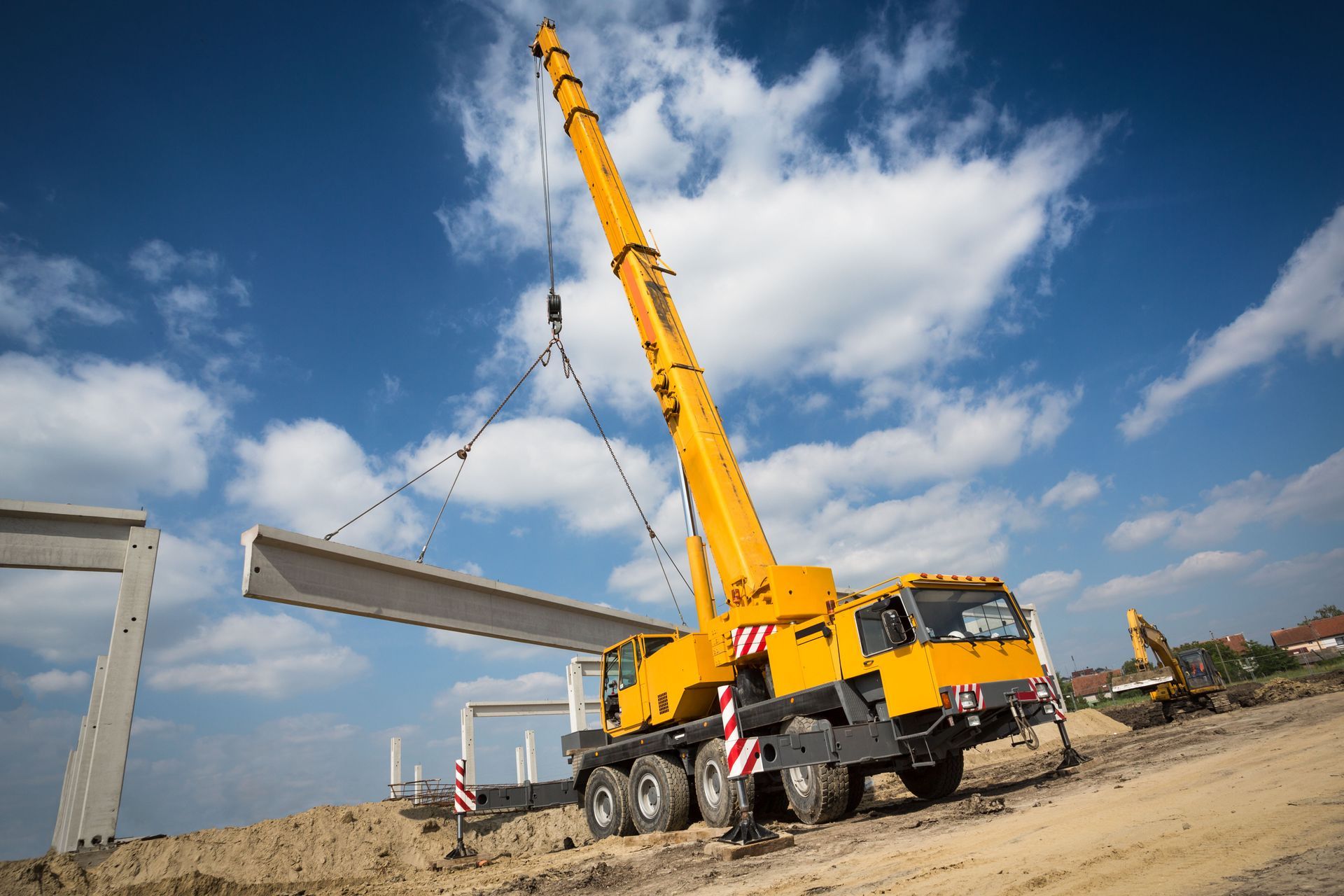
Crane rentals are indispensable in numerous industries, each with unique requirements. In construction, cranes help with assembling structures, lifting heavy beams, and relocating materials efficiently. The energy sector uses cranes for erecting wind turbines and maintaining oil rigs, where precision is critical. In manufacturing, cranes assist in plant relocation and logistics optimization. Customizable equipment options allow crane companies to address sector-specific applications with precision and agility.
Comparison to Equipment Ownership
Purchasing crane equipment requires a significant capital investment, coupled with ongoing maintenance and storage costs. Alternatively, rentals provide immediate access to advanced equipment without the need for a long-term commitment. This allows companies to allocate financial resources more effectively and avoid the depreciation associated with ownership. In addition, rental companies provide flexibility in scaling operations per project demands. Therefore, renting offers a strategic advantage by accommodating varying project needs without the burdens of ownership.
Evolution and Growth of the Crane Rental Market
The crane rental market has evolved dramatically over recent decades, driven by innovations in crane design and increased demand for specialized construction capabilities. According to IBISWorld, the U.S. crane rental services industry revenue reached an estimated $10.9 billion in 2025. This growth is a testament to the industry's ability to adapt to technological advancements and deliver reliability. Companies continue to invest in expanding their fleets to include the latest models and technologies, ensuring they meet complex client demands. The resilience of this market underscores its essential role in infrastructure development and industrial growth.
Impact on Construction Timelines and Costs
By supplying essential equipment on demand, a rental commercial crane company directly influences construction timelines and cost efficiency. The ability to rapidly deploy and reposition cranes reduces downtime, thereby expediting project completion. Furthermore, rental services help to mitigate costs associated with repairing or replacing equipment, as time is maximized through professional maintenance. Project managers can better forecast budgets due to predictable rental costs versus the uncertainties of ownership. Ultimately, this contributes to enhanced project predictability and financial planning.
Safety and Compliance Standards
Importance of Safety in Crane Operations
Safety is paramount in crane operations, given the high stakes involving heavy loads and elevated workspaces. An accident can result not only in immediate harm but also in financial penalties and project delays. A commercial crane company prioritizes safety by implementing rigorous standards and procedures to minimize risks. Comprehensive risk assessments and adherence to industry practices are standard in the rental arrangement. Investing in safety not only protects personnel but also safeguards the reputation of the companies involved.
Regulatory and Compliance Requirements
The crane industry is governed by stringent regulations designed to ensure safe operations across all sites. Compliance with standards such as OSHA regulations is mandatory for crane rental services. These requirements extend to equipment certification, site assessments, and operator qualifications. Regular audits and inspections ensure ongoing adherence to legal standards. By partnering with compliant crane companies, project managers can ensure their operations meet all necessary legal and safety obligations.
Regular Maintenance and Safety Inspections
Routine maintenance and safety inspections are integral to the operations of crane rental companies. Effective maintenance schedules prevent equipment failures and extend the operational life of cranes. Rental companies employ skilled technicians to perform proactive service checks, thereby minimizing the risk of malfunctions. Inspection results drive real-time enhancements to safety practices and operational protocols. This dedication to quality ensures a high standard of service delivery and operational reliability.
Training and Certification for Operators
The responsibility of operating a crane requires special training and certification to ensure proficiency and safety. Crane rental companies typically supply certified operators who are expertly trained to handle the equipment under various conditions. These operators undergo continuous education to stay abreast of technological updates and safety protocols. Their expertise minimizes the risk of on-site accidents and maximizes operational efficiency. Partnering with companies that prioritize operator competence is a proactive move toward safer work environments.
Case Studies on Safety Incidents and Prevention
Analysis of past safety incidents provides valuable insights into preventing future occurrences. Case studies highlight how negligence or inadequate training can lead to costly accidents, emphasizing the importance of rigorous safety standards. Successful prevention strategies often involve a combination of comprehensive training programs, regular inspections, and safety audits. By learning from these incidents, crane companies refine their safety protocols and reduce the likelihood of repeat events.
Cost-Effectiveness and Financial Benefits
Cost Savings Compared to Purchasing Equipment
Renting cranes from a commercial crane company can lead to significant cost savings for construction companies, as it eliminates the need for high upfront investments. Rent payments typically reflect only the period of use, avoiding expenses associated with equipment depreciation. This model shifts financial resources towards immediate project needs rather than long-term asset management. Companies benefit from the ability to access a fleet of diverse equipment without the burden of ownership costs. In conclusion, renting is often more economically feasible for firms aiming to remain agile and cost-effective.
Financial Risk Mitigation With Rentals
Furthermore, rentals effectively reduce financial risks by providing equipment solutions aligned with specific project requirements. Companies are not obligated to retain cranes beyond their utility, thus avoiding unnecessary capital expenditure. This flexibility in resource allocation allows businesses to adapt quickly to market fluctuations or changes in project scope. The rental model transfers maintenance and repair responsibilities to the crane company, further decreasing risk.
Flexible Financing and Rental Agreements
Cranes rental agreements are designed with flexibility to accommodate the dynamic nature of construction projects. Options range from short-term rentals for specific tasks to extended agreements for long-term projects. Payment structures can be customized to suit budget constraints and cash flow considerations. Furthermore, flexible contracts allow for easy upgrades or swaps in equipment, ensuring project requirements are consistently met.
Short-Term and Long-Term Projects
Accurate budgeting is crucial for both short and long-term project success. By opting for rentals, construction managers can predict costs with certainty, ensuring funds are utilized effectively. This predictability aids in efficient cash flow management, particularly in large-scale projects with fluctuating demands. Flexible rental models provide scalable solutions, aligning expenditures with project progress.
Commercial crane companies play a vital role in enhancing the efficiency, safety, and scope of construction and industrial projects through strategic rental services. They provide flexible, cost-effective, and technologically advanced solutions while ensuring compliance with rigorous safety standards. Contact us at Prime Fabrication, Inc, Prime Crane today to get started with our commercial crane company.